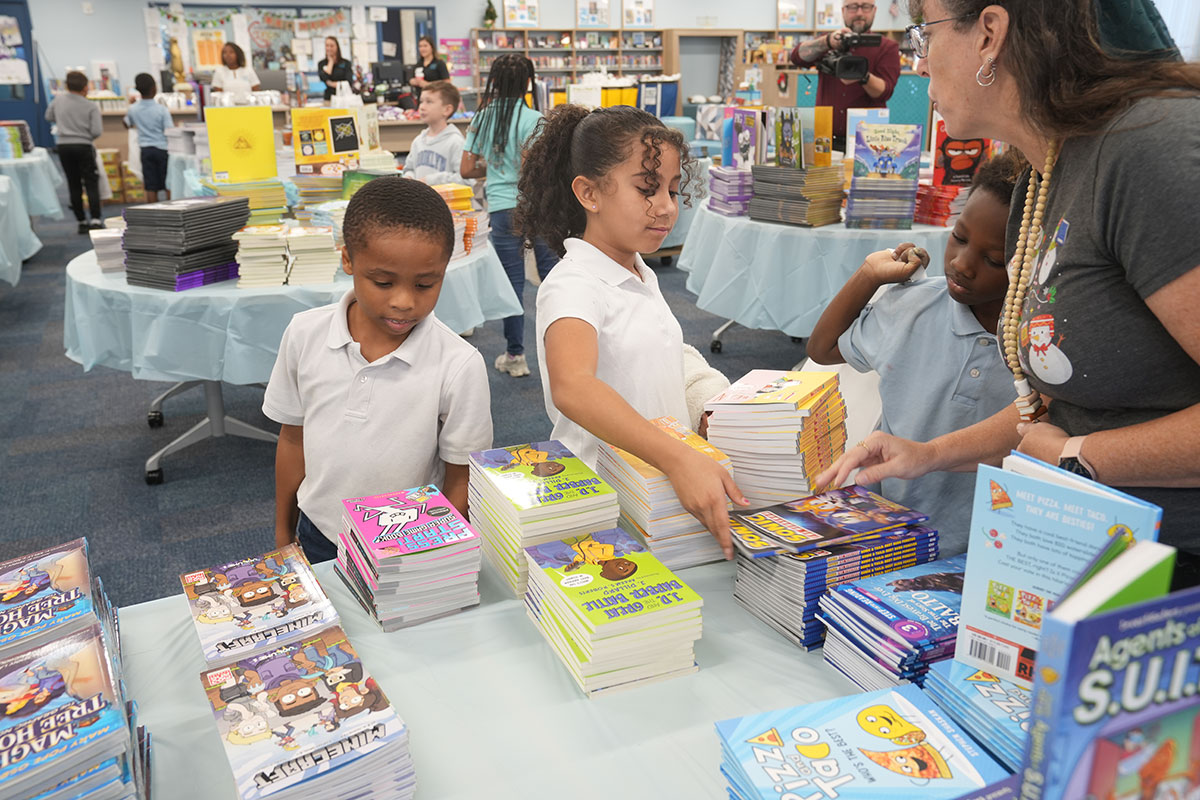
Every Child Deserves a Beginning Filled with Possibility
Too many are still waiting for one.
Across the country, including here in Florida, hundreds of thousands of children wake up each morning facing odds that no child should face. Schools that don’t have the resources to meet their needs, not enough food, an unstable home,, and families under pressures that no family should carry alone.
These are not statistics. These are children with names, dreams, and extraordinary potential, waiting for someone to say: We see you. We're here.
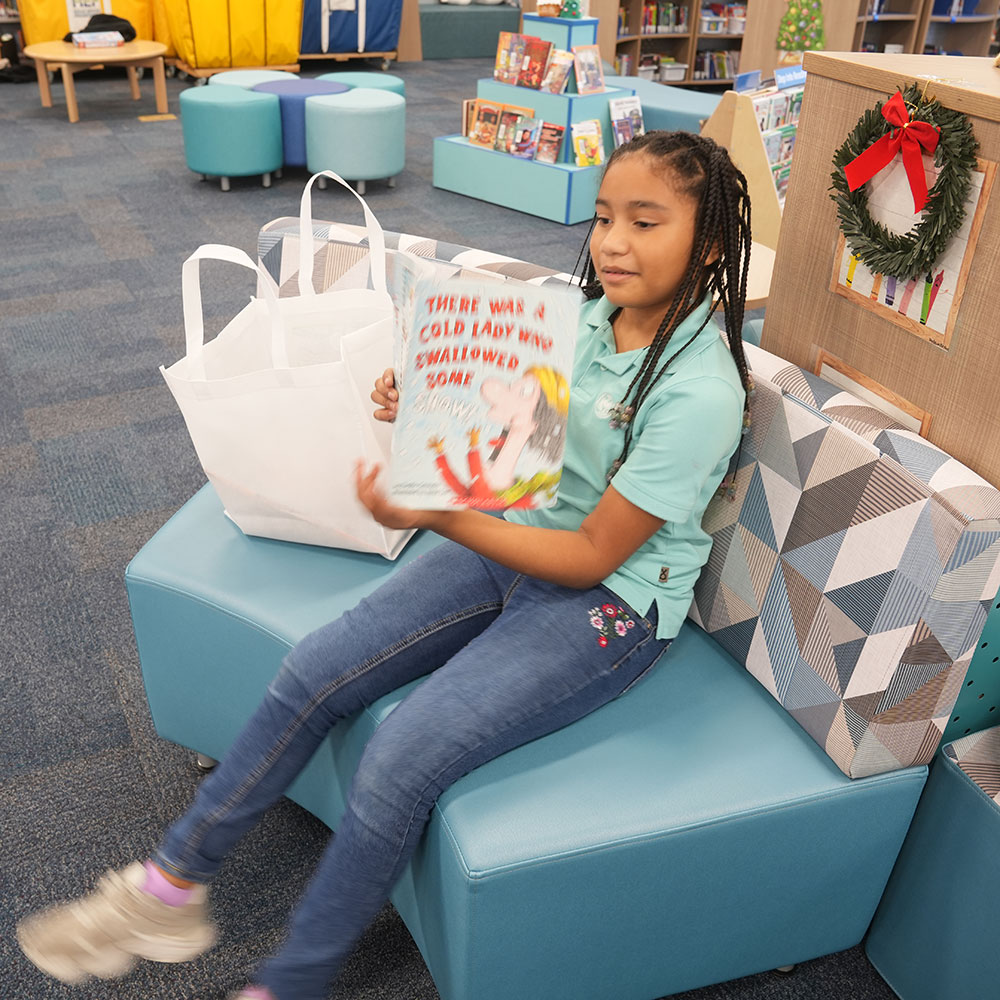
Who Are We Talking About
Underprivileged children are not defined by a single hardship. They are defined by the intersection of hardships — stacked one on top of another until the weight becomes impossible to carry.
They are the five-year-old who arrives at kindergarten two years behind her peers because quality early learning was simply out of reach. They are the children who come to school hungry three days a week and can’t concentrate on the lessons in front of them. They are the teenager who ages out of a system that never fully held him and enters adulthood without a safety net, a mentor, or a plan.
Across the United States, more than 11 million children live in poverty and millions more live in “near poverty,” where one job loss, one medical bill, or one eviction notice can push a family into crisis. Here in Florida, the reality is similar: 1 in 5 children grows up in poverty, and many more live just above the poverty line, one setback away from instability.
These children aren’t falling through the cracks. They are falling through a system that never had enough support built into it to begin with.
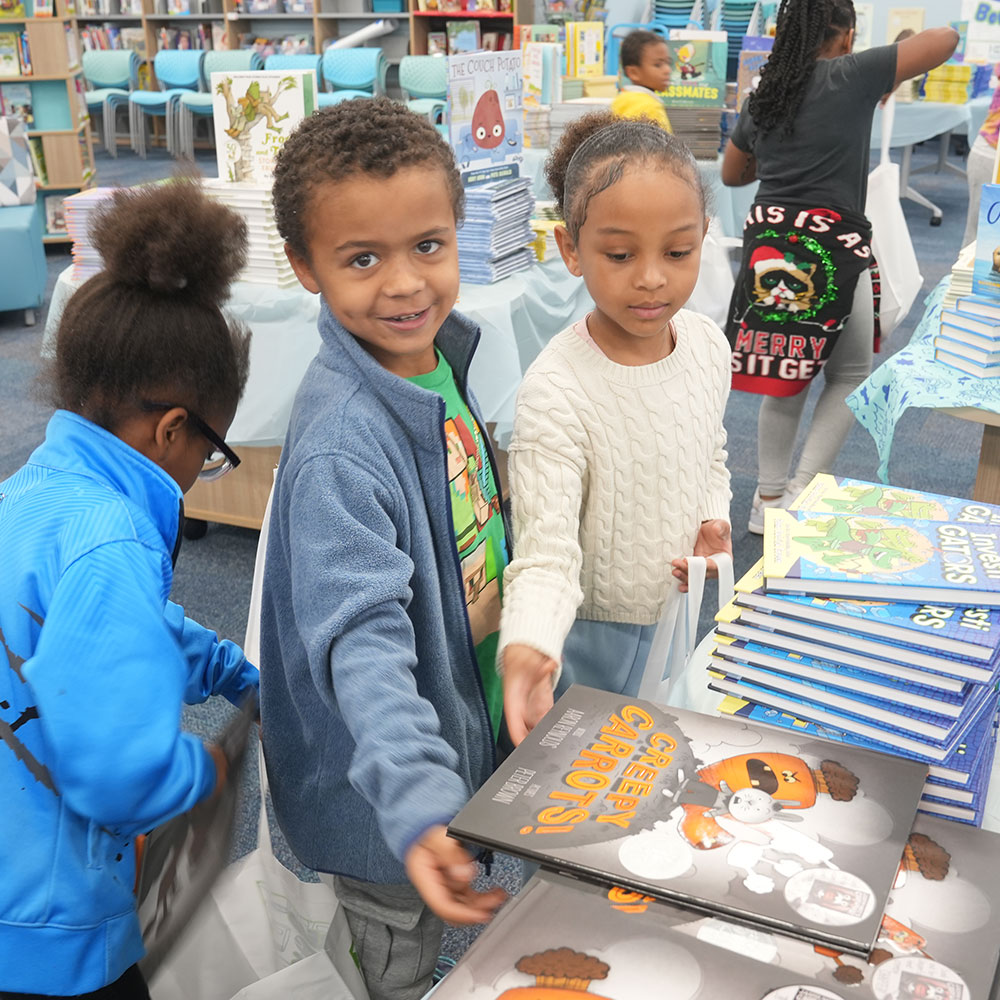
The Children We Serve
The children at the center of our work come from families and communities facing real, everyday challenges. Many live in neighborhoods where healthy food is hard to find and safe spaces are scarce, leaving families without the resources that every child deserves. Many come from households where a single parent is working two or three jobs just to keep the lights on. Many have experienced trauma,from domestic instability, from violence in their neighborhoods, from the stress of watching parents struggle, and that trauma lives in their bodies and shows up in their classrooms, in their behaviors, and in their beliefs about what the future holds for them.
We serve children from birth through adolescence, children whose needs span early learning, healthy food, stable housing, and physical and emotional well‑being. We support families who are navigating systems that were never designed with their realities in mind. And we partner with the nonprofits and frontline workers who show up for children every day, helping them reach more children, with more stability, and the support that every child deserves.
What the Research Tells Us
Children who experience poverty before age five are significantly more likely to struggle academically, face health challenges, and encounter the criminal justice system as adults. The brain develops most rapidly in the first five years of life,and chronic stress, food insecurity, and housing instability disrupt that development in ways that can last a lifetime if left unaddressed.
But here's what else the research tells us: early, comprehensive intervention works. When children receive quality education, stable housing, consistent nutrition, and caring adult relationships — the trajectory changes. Not someday, but now.
Here’s the truth that drives urgency: a single dollar invested in a child’s earliest years can create the kind of impact that would take about eighteen dollars to match if we wait until later in childhood. Early support doesn’t just help children catch up; it prevents the harm that makes catching up so hard.
That is the urgency behind everything we do.
These Are the Children of Our Community
They are not "other people's children." They are our neighbors' children. They ride the same buses, walk the same streets, and grow up in the same communities as everyone else. Their success — or their struggle — shapes the future of this country. And in Florida, where our work is rooted, early investment is already changing what that future can be.
When we invest in underprivileged children, we are not just changing individual lives. We are changing communities. We are changing economies. We are building the workforce, the leaders, and the neighbors of tomorrow.
Will you help give every child the possibilities they deserve?