The Barriers Are Real
And they rarely come one at a time.
Understanding why some children struggle is the first step toward helping them. At the Each Child Foundation, we look beyond symptoms to the systems themselves. We study how limited early learning opportunities, food insecurity, unstable housing, and health challenges intersect, because you can’t break a cycle you don’t fully understand.

It's Never Just One Thing
Across the country — including here in Florida, where our work begins — we see the same pattern again and again: hardship compounds. No child faces just one challenge. They face many, all at once, and often without the resources to address even one of them.
A lost job doesn’t just mean less income. It means the electricity gets shut off, which means homework can’t be done, which means grades slip, which means a teacher raises concerns, which triggers a referral, which adds pressure to a family already stretched to its breaking point. What looks like an “education problem” is often an economic crisis wearing an educational mask.
Until we address the whole picture, the learning, the food, the health, the stress, no single intervention will hold.
The Core Challenges We Address
Limited Access to Quality Education
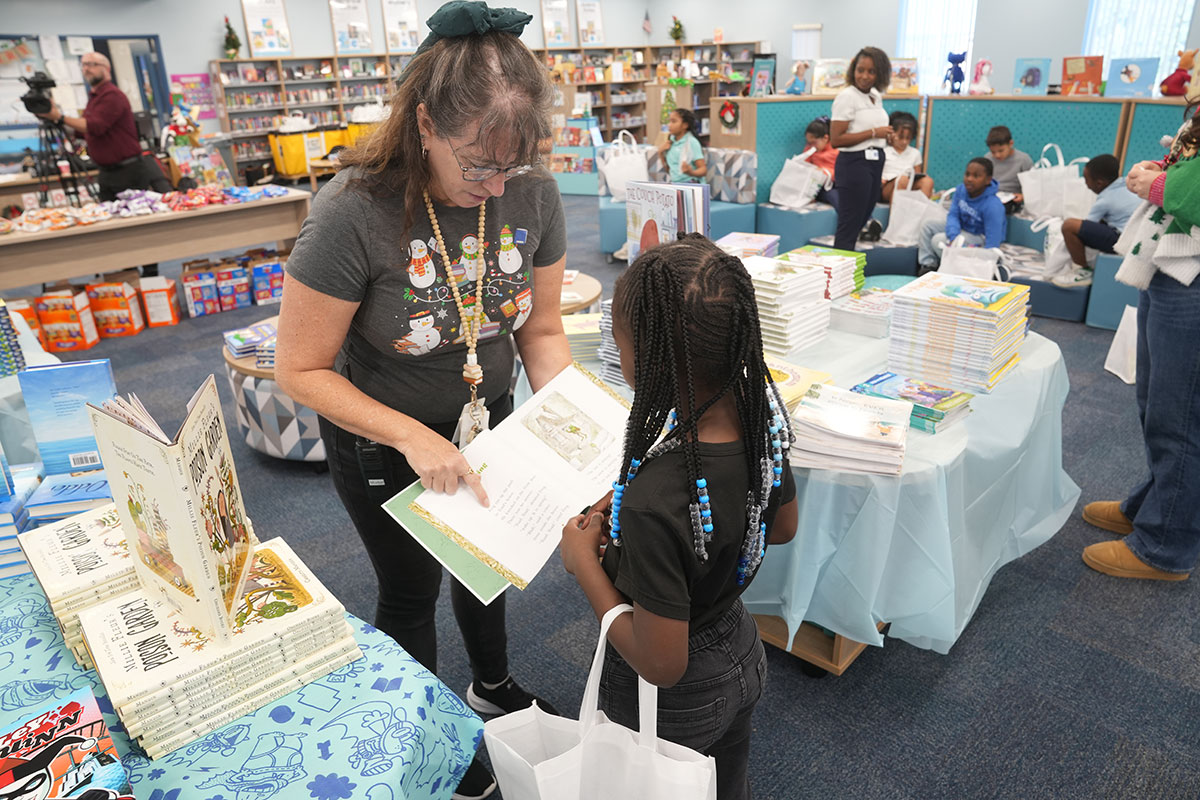
Children in under‑resourced geographies often attend schools with higher student‑to‑teacher ratios, fewer counselors, outdated materials, and limited access to enrichment opportunities. Many arrive at kindergarten already behind, one of the most persistent and costly consequences of educational inequality. Without early, consistent support, these gaps widen over time.
Housing Instability
Across the United States, millions of children experience housing instability, eviction, overcrowding, nights in shelters, or moving from one relative’s couch to another. And here in Florida, where our work begins, far too many families face these same realities. Residential instability disrupts school attendance, friendships, routines, and a child’s sense of safety. Children experiencing housing instability are more likely to face developmental delays, anxiety, and academic struggles that can follow them for years.
Food Insecurity
More than 13 million children across the United States experience food insecurity, including more than 700,000 in Florida. Hunger is not just a physical experience; it is a cognitive one. A hungry child cannot focus, retain information, or regulate emotions the way a nourished child can. Chronic hunger impairs brain development and contributes to persistent learning gaps that shape a child’s long‑term trajectory.
Healthcare Gaps
Millions of children lack consistent access to healthcare, especially mental and behavioral health services. Untreated trauma, undiagnosed learning differences, and unmanaged chronic conditions all become barriers in the classroom. When a child cannot see clearly, cannot hear properly, or is managing anxiety without support, their academic performance suffers and the root cause often goes unrecognized.
Why Connection Changes Everything
At the Each Child Foundation, we exist to solve one of the most persistent barriers children face: systemic disconnection. We are the connective tissue that links good work into effective work — turning isolated efforts into coordinated support that actually changes lives. We don’t replace the organizations on the front lines. We strengthen them. We resource them. We remove the barriers that keep their impact from reaching every child who needs it.
Because a child doesn’t need perfection. They need enough stability, nutrition, love, and learning for their potential to take root. That is not too much to ask — and it is absolutely within reach when we work together.